Harbour Cove
A sheltered shingle beach close to the old town, popular with families and early-morning swimmers.
Best at mid to high tide
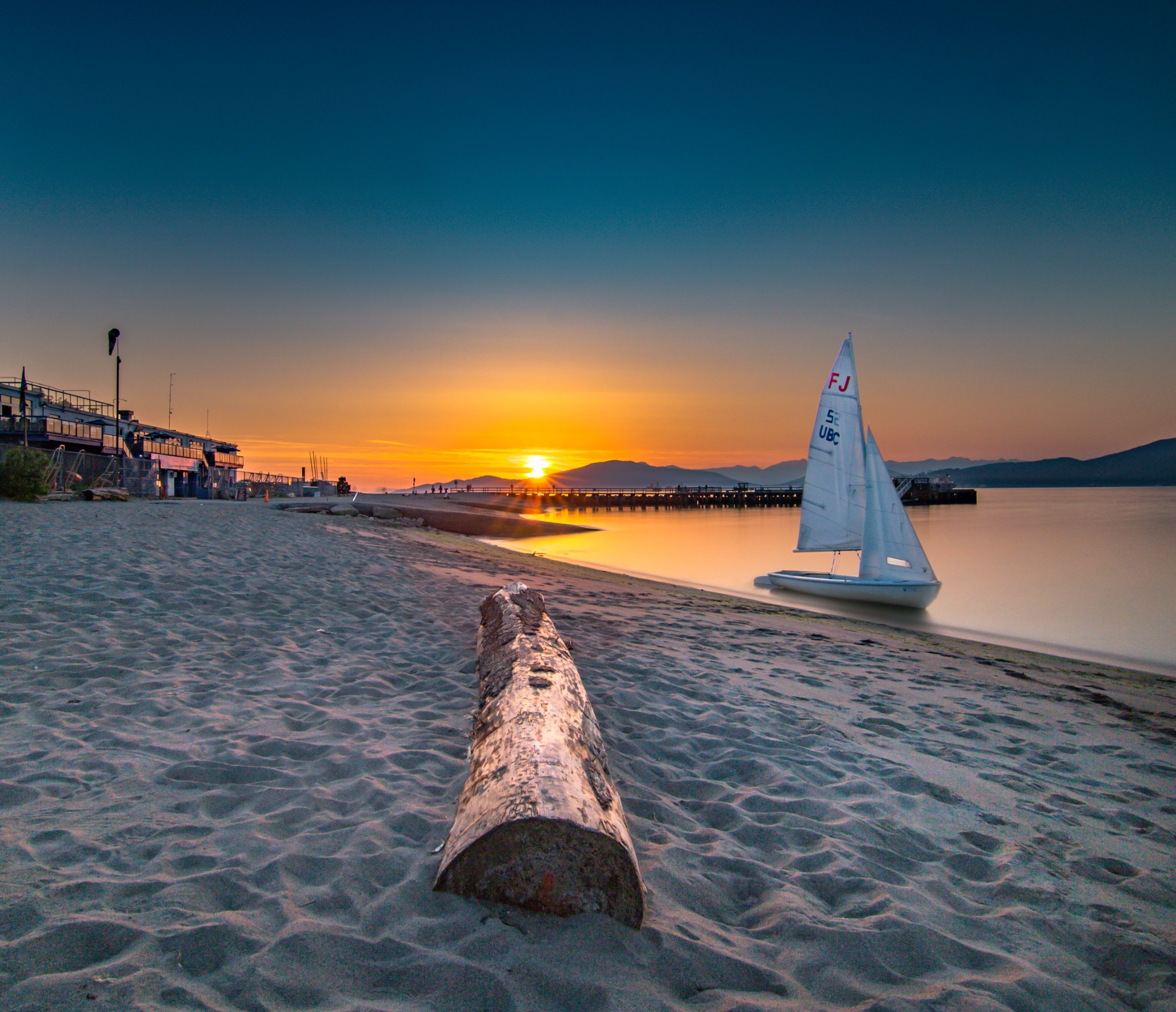
From the first paddle of the morning to a last drink overlooking the harbour, the town is best explored at an unhurried pace.

Bayview’s main beach is a generous sweep of firm sand, backed by a level promenade and dunes at its western end. It is ideal for swimming on a calm tide, sandcastle afternoons and long sunset walks. Kayaks and paddleboards can be hired beside the sailing club, while the western section remains dog-friendly throughout the year.
Beach huts, showers, accessible toilets and cafés are all close at hand. A beach wheelchair is available from the seafront office with advance booking.
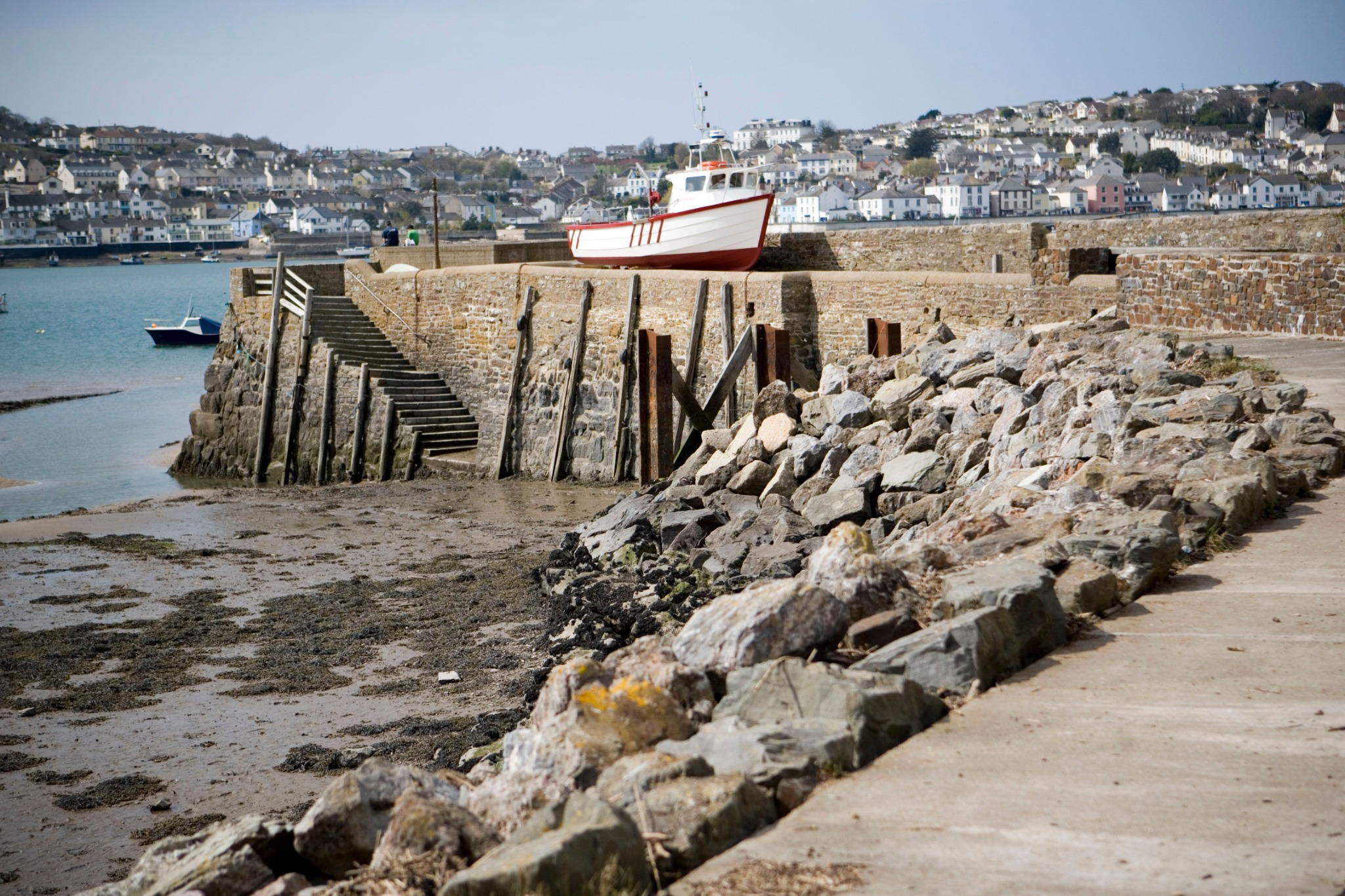
The oldest part of Bayview gathers around a stone quay built in 1816. Fishing boats still land crab and mackerel here, and the harbour walls offer a close view of the daily work of the port. Interpretation plaques mark the former customs house, sail loft and lifeboat shed.
From the quay, Chapel Street climbs past bookshops, ceramic studios and tiny courtyard cafés. Look for the blue-painted Mariners’ Cottages and the carved ship above the door of St Anne’s Hall.

Start at the eastern end of the promenade and follow the acorn waymarks above Harbour Cove. The path passes the old signal station before reaching Beacon Head, the highest viewpoint around St Cuthbert’s Bay. On clear days the coast can be followed for more than thirty miles.
Return by the same route or continue inland through Ferncombe Wood and descend via the Victorian gardens. Allow three hours, more if you plan to stop at the headland café.
Small pleasures make a Bayview day: a hidden garden, a windy pier, a well-timed tide and somewhere warm to return to.
A sheltered shingle beach close to the old town, popular with families and early-morning swimmers.
A 1903 pleasure pier with a tea room, fishing platforms and panoramic views back towards the town.
Terraced lawns, palms and a restored bandstand linked to the promenade by a hillside lift.
Stories of shipwreck, rescue and coastal trade told inside the former customs warehouse.